Top 15 Unbelievable Reasons for global warming
Top 15 Unbelievable Reasons for global warming
here are the Top 15 Unbelievable Reasons for global warming, Global warming is a pressing issue that affects the entire planet. It refers to the long-term increase in the Earth’s average surface temperature due to human activities and natural processes. While many of us are aware of the main causes of global warming, such as greenhouse gas emissions and deforestation, there are several other astonishing factors that contribute to this phenomenon. In this article, we will explore the top 15 unbelievable reasons for global warming and shed light on lesser-known aspects of this complex issue.
Table of Contents
Introduction
The Impact of Industrial Agriculture
The Role of Landfills and Waste Management
Uncontrolled Forest Fires
Black Carbon from Incomplete Combustion
Destruction of the Ozone Layer
Urbanization and Heat Islands
Loss of Natural Carbon Sinks
Melting Permafrost
Methane Emissions from Livestock
Nitrous Oxide from Fertilizer Use
Cement Production
Overconsumption and Waste
Changes in Land Use
Impacts of War and Conflict
Conclusion
Frequently Asked Questions (FAQs)

1. Introduction
Global warming is a complex issue influenced by various factors beyond the commonly discussed causes. By understanding these lesser-known contributors, we can gain a deeper insight into the challenges we face and work towards effective solutions.
2. The Impact of Industrial Agriculture
one of the Top 15 Unbelievable Reasons for global warming is that Industrial agriculture, characterized by large-scale monoculture and intensive use of chemical fertilizers and pesticides, significantly contributes to global warming. The production, processing, and transportation of food generate substantial greenhouse gas emissions, while deforestation for agricultural expansion further exacerbates the problem.
3. The Role of Landfills and Waste Management
one of the Top 15 Unbelievable Reasons for global warming is that Landfills are major sources of greenhouse gas emissions, particularly methane. As organic waste decomposes in these sites, methane is released into the atmosphere. Proper waste management practices, such as recycling and composting, can help reduce these emissions and mitigate global warming.
4. Uncontrolled Forest Fires
one of the Top 15 Unbelievable Reasons for global warming is that Forest fires, both natural and human-induced, release enormous amounts of carbon dioxide into the atmosphere. These fires contribute significantly to global warming, and their occurrence and severity have increased in recent years due to factors like climate change and inadequate fire management practices.
5. Black Carbon from Incomplete Combustion
one of the Top 15 Unbelievable Reasons for global warming is that Black carbon, a type of fine particulate matter emitted from incomplete combustion processes like burning fossil fuels and biomass, has a significant warming effect on the planet. It absorbs sunlight, leading to increased atmospheric temperatures and the accelerated melting of snow and ice.
6. Destruction of the Ozone Layer
one of the Top 15 Unbelievable Reasons for global warming is that The depletion of the ozone layer, primarily caused by the release of chlorofluorocarbons (CFCs) and other ozone-depleting substances, indirectly contributes to global warming. The thinning ozone layer allows more ultraviolet radiation to reach the Earth’s surface, resulting in warmer temperatures.
7. Urbanization and Heat Islands
one of the Top 15 Unbelievable Reasons for global warming is that Rapid urbanization and the development of concrete jungles create heat islands in cities. These urban areas experience higher temperatures than surrounding rural regions due to factors like reduced vegetation, increased energy consumption, and the heat-absorbing properties of buildings and infrastructure.
8. Loss of Natural Carbon Sinks
one of the Top 15 Unbelievable Reasons for global warming is that Deforestation and land degradation reduce the Earth’s capacity to absorb carbon dioxide. Forests, wetlands, and other natural carbon sinks play a crucial role in regulating the climate by capturing and storing carbon dioxide from the atmosphere. When these carbon sinks are destroyed or degraded, more carbon dioxide remains in the atmosphere, contributing to global warming.

9. Melting Permafrost
one of the Top 15 Unbelievable Reasons for global warming is that Permafrost, the frozen ground in cold regions, stores vast amounts of organic matter and greenhouse gases. As temperatures rise, permafrost begins to thaw, releasing carbon dioxide and methane into the atmosphere. This feedback loop further amplifies global warming, creating a dangerous cycle.
10. Methane Emissions from Livestock
Livestock farming, particularly intensive animal agriculture, is a significant source of methane emissions. Ruminant animals, such as cows and sheep, produce methane as a byproduct of their digestion process. The large-scale rearing of livestock for meat and dairy contributes to overall greenhouse gas emissions and global warming. one of the Top 15 Unbelievable Reasons for global warming is that
11. Nitrous Oxide from Fertilizer Use
one of the Top 15 Unbelievable Reasons for global warming is that The use of synthetic fertilizers in agriculture releases nitrous oxide, a potent greenhouse gas, into the atmosphere. Nitrous oxide has a much higher warming potential than carbon dioxide, making it a significant contributor to global warming. Sustainable farming practices that reduce fertilizer use can help mitigate this issue.
12. Cement Production
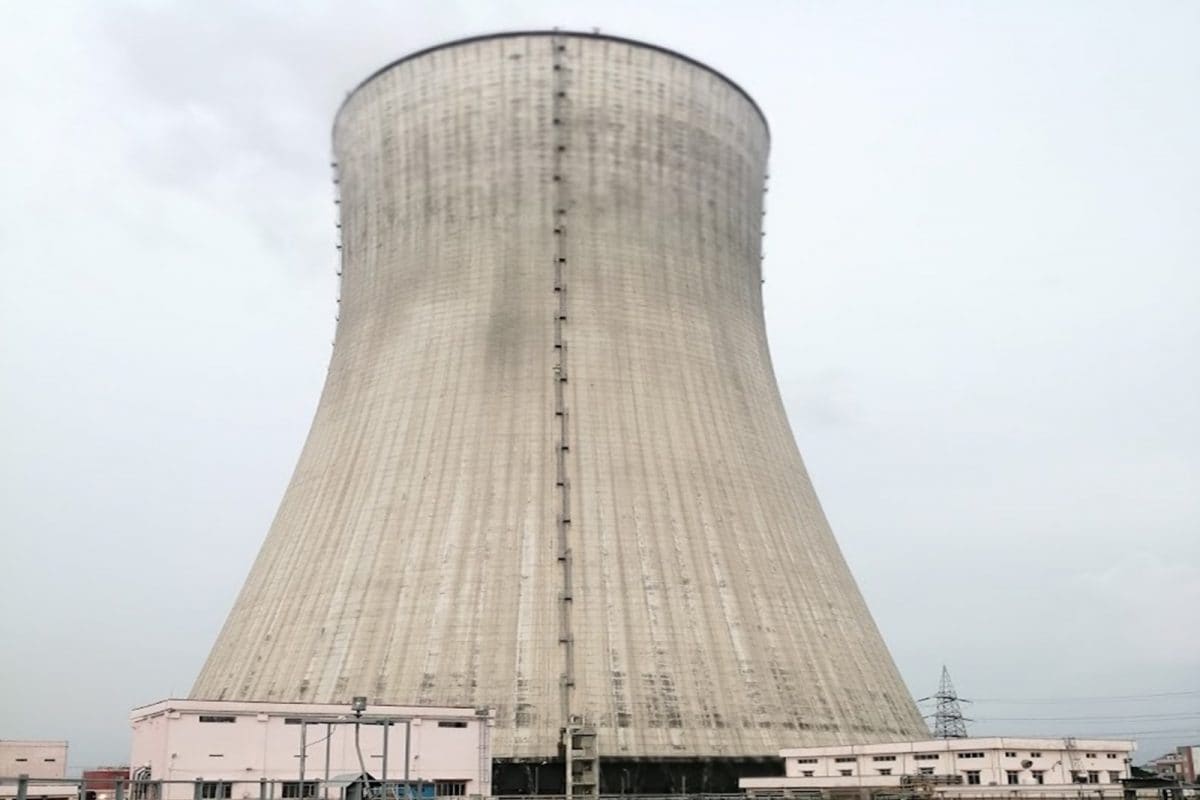
one of the Top 15 Unbelievable Reasons for global warming is that The production of cement, a key ingredient in concrete, accounts for a substantial portion of global carbon dioxide emissions. The process of cement production involves high energy consumption and the release of carbon dioxide during the chemical reaction. Finding alternative construction materials and improving cement manufacturing methods are essential in tackling this aspect of global warming.
13. Overconsumption and Waste
one of the Top 15 Unbelievable Reasons for global warming is that Excessive consumption and the subsequent generation of waste contribute to global warming. The production, transportation, and disposal of goods consume energy and release greenhouse gases. Adopting sustainable consumption patterns, reducing waste, and promoting recycling are crucial steps in mitigating this factor.
14. Changes in Land Use
one of the Top 15 Unbelievable Reasons for global warming is that The conversion of land for various purposes, such as urbanization, agriculture, and infrastructure development, alters natural ecosystems and contributes to global warming. Deforestation, habitat destruction, and the loss of biodiversity associated with land-use change disrupt the balance of carbon storage and release, leading to increased greenhouse gas emissions.
15. Impacts of War and Conflict
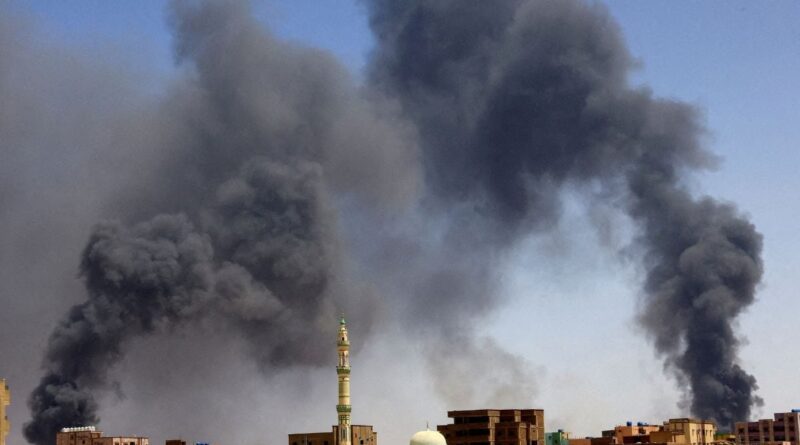
one of the Top 15 Unbelievable Reasons for global warming is that War and conflict have devastating consequences on both human lives and the environment. The environmental toll of warfare includes the destruction of infrastructure, industrial facilities, and oil fields, leading to the release of pollutants and greenhouse gases. The reconstruction efforts and the subsequent resource-intensive activities also contribute to global warming.
Conclusion
one of the Top 15 Unbelievable Reasons for global warming is that Global warming is a multifaceted issue influenced by numerous factors. While we are familiar with the prominent causes, understanding the lesser-known contributors is crucial in addressing the problem effectively. By acknowledging and taking action on these unbelievable reasons for global warming, we can work towards a sustainable and resilient future.
Frequently Asked Questions (FAQs)
Q: How does industrial agriculture contribute to global warming?
A: Industrial agriculture leads to greenhouse gas emissions through the use of chemical fertilizers, intensive farming practices, and deforestation for agricultural expansion.
Q: Can waste management practices help reduce global warming?
A: Proper waste management, including recycling and composting, can significantly reduce greenhouse gas emissions from landfills and waste decomposition.
Q: Why are forest fires a factor in global warming?
A: Forest fires release large amounts of carbon dioxide into the atmosphere, contributing to global warming. The severity and frequency of fires have increased due to climate change.
Q: How does urbanization contribute to global warming?
A: Urbanization creates heat islands, where cities experience higher temperatures due to factors like reduced vegetation and increased energy consumption.
Q: What can individuals do to combat global warming?
A: Individuals can take several actions to combat global warming, including reducing energy consumption, using renewable energy sources, practicing sustainable agriculture, promoting recycling and waste reduction, supporting reforestation efforts, and advocating for policies that address climate change.
By implementing these measures and raising awareness about the lesser-known factors contributing to global warming, we can strive towards a more sustainable and climate-conscious world.
Remember, the fight against global warming requires collective action and individual responsibility. Together, we can make a significant impact and ensure a healthier planet for future generations.
Global warming introduction, In recent years, the topic of global warming has become increasingly important and is gaining attention worldwide. With the Earth’s climate changing at an alarming rate, it is crucial that we understand the causes, effects, and potential solutions to this issue. In this comprehensive article, we will delve into the depths of global warming, exploring its origins, its impact on our planet, and the steps we can take to mitigate its effects. So, let’s embark on this journey to understand the complexities of global warming and how we can make a positive change for our future generations.
Global Warming: A Growing Concern
Global warming refers to the long-term increase in the average temperature of the Earth’s atmosphere. It is primarily caused by the excessive emission of greenhouse gases, such as carbon dioxide (CO2), methane (CH4), and nitrous oxide (N2O), into the atmosphere. These gases trap heat from the sun, leading to a rise in the Earth’s overall temperature. The consequences of global warming are far-reaching and impact various aspects of our environment, including weather patterns, ecosystems, and human health.
what global warming is
Global warming is the long-term warming of the planet caused by the increase of certain gases in the Earth’s atmosphere, particularly carbon dioxide.

These gases trap heat from the sun, which leads to an overall warming of the planet. The main cause of global warming is the burning of fossil fuels, such as coal, oil, and gas, which release large amounts of carbon dioxide into the atmosphere.

Other human activities that contribute to global warming include deforestation, which removes trees that absorb carbon dioxide, and the use of certain industrial processes that release greenhouse gases.


The Causes of Global Warming
1. Greenhouse Gas Emissions
The first cause of global warming is that The primary driver of global warming is the emission of greenhouse gases, predominantly from human activities. The burning of fossil fuels, such as coal, oil, and natural gas, for energy production and transportation, releases substantial amounts of carbon dioxide into the atmosphere. Deforestation, industrial processes, and agricultural practices also contribute to greenhouse gas emissions. It is crucial that we reduce our carbon footprint by adopting cleaner energy sources and sustainable practices.
2. Deforestation and Land Use Changes
The next cause of global warming is that The loss of forests worldwide significantly contributes to global warming. Trees play a vital role in carbon sequestration, absorbing CO2 and releasing oxygen through photosynthesis. When forests are cleared for agriculture, urbanization, or logging, the stored carbon is released back into the atmosphere. Protecting and restoring forests is crucial for mitigating global warming and preserving biodiversity.
3. Increased Industrialization
one of the Top 15 Unbelievable Reasons for global warming is that The next cause of global warming is that Rapid industrialization has led to increased emissions of greenhouse gases. Industrial processes, such as manufacturing, mining, and construction, release significant amounts of CO2 and other pollutants. Implementing cleaner technologies and improving industrial efficiency are essential steps in combating global warming.
Effects of global warming
Global warming is the long-term warming of the planet due to an increase in the Earth’s average atmospheric temperature. This increase is primarily caused by the emission of greenhouse gases, such as carbon dioxide and methane, from human activities such as the burning of fossil fuels and deforestation.
one of the Top 15 Unbelievable Reasons for global warming is that The effects of global warming are numerous and varied, and they can be both positive and negative.
Rising sea levels: As the Earth’s temperature increases, the polar ice caps melt, causing sea levels to rise. This can lead to flooding in coastal areas and the displacement of people who live there.
Extreme weather events: Global warming can lead to more frequent and severe heat waves, droughts, and storms. These events can have serious consequences, including loss of life, damage to infrastructure, and economic disruption.
Changes in ecosystems: As the Earth’s temperature increases, many species of plants and animals may be forced to adapt to new conditions or migrate to new areas. This can lead to changes in the balance of ecosystems and potentially the extinction of some species.
Negative impacts on agriculture: Changes in temperature and weather patterns can have negative impacts on agriculture, leading to reduced crop yields and potentially affecting food security.
Health impacts: Global warming can also have negative impacts on human health, such as increasing the incidence of heatstroke, respiratory problems, and the spread of diseases.
It is important for individuals and governments to take action to reduce greenhouse gas emissions and mitigate the negative effects of global warming. This can include adopting sustainable energy sources, reducing deforestation, and adopting policies to encourage environmentally-friendly practices.
The effects of global warming include rising sea levels, more frequent and severe weather events, and changes in the distribution and behavior of plants and animals.
These changes can have significant impacts on human communities, including more frequent and severe heatwaves, droughts, and storms, as well as on ecosystems and the species that depend on them.

global warming and climate change
To address global warming, it is necessary to reduce the emission of greenhouse gases and adopt practices that help to remove carbon dioxide from the atmosphere.
This includes transitioning to renewable energy sources, improving energy efficiency, and implementing policies to reduce greenhouse gas emissions.
It is important for individuals, businesses, and governments to take action to reduce their carbon footprint and to support efforts to combat global warming.
Global warming refers to the long-term warming of the planet, specifically the Earth’s atmosphere, due to the increase in greenhouse gases. Greenhouse gases, such as carbon dioxide and methane, trap heat in the atmosphere and cause the Earth’s average temperature to rise.
global warming facts
Human activities, such as the burning of fossil fuels and deforestation, are the primary causes of increased levels of greenhouse gases in the atmosphere.
As a result, the Earth’s average temperature has been rising at an accelerated rate over the past century. This warming trend is expected to continue unless significant action is taken to reduce greenhouse gas emissions.
The impacts of global warming are widespread and include rising sea levels, more frequent heatwaves, and extreme weather events, and changes in the distribution and abundance of plants and animals.
It is important to take steps to reduce our greenhouse gas emissions in order to mitigate the negative impacts of global warming.
5 Causes of global warming
The main cause of global warming is the increasing levels of greenhouse gases in the Earth’s atmosphere. These gases, such as carbon dioxide, methane, and water vapor, trap heat from the sun and warm the Earth’s surface.
Human activities are the main source of the increasing levels of greenhouse gases in the atmosphere. few main causes of global warming are that, These activities include:
- Burning fossil fuels: The burning of fossil fuels, such as coal, oil, and natural gas, for electricity, transportation, and other purposes releases large amounts of carbon dioxide into the atmosphere.
- Deforestation: Cutting down forests releases carbon dioxide stored in trees and plants, and also reduces the ability of these forests to absorb carbon dioxide from the atmosphere.
- Industrial processes: Industrial processes, such as the production of cement and the use of refrigerants, also release greenhouse gases into the atmosphere.
- Agriculture: Agricultural activities, such as raising livestock and growing certain crops, also contribute to the increase in greenhouse gases in the atmosphere.
In addition to these human activities, natural processes, such as volcanic eruptions and the decomposition of organic matter, also contribute to the levels of greenhouse gases in the atmosphere.
To address global warming, it will be necessary to reduce the levels of greenhouse gases in the atmosphere by reducing our emissions of these gases and taking steps to remove them from the atmosphere.
The Impact of Global Warming
1. Rising Sea Levels
As global temperatures rise, the polar ice caps and glaciers melt, contributing to the rise in sea levels. This poses a significant threat to coastal regions and low-lying islands, as they become more susceptible to flooding and erosion. The displacement of communities and loss of habitats for various species are among the consequences of rising sea levels.
2. Extreme Weather Events
Global warming intensifies weather patterns, leading to more frequent and severe extreme weather events. Heatwaves, hurricanes, droughts, and heavy rainfall are becoming more common, causing devastating impacts on both human lives and ecosystems. Adapting to these changing weather patterns is essential to ensure the safety and well-being of communities worldwide.
3. Disruption of Ecosystems
Global warming disrupts ecosystems and threatens biodiversity. Many species, including polar bears, coral reefs, and migratory birds, are facing the risk of extinction due to changing habitats and disrupted food chains. Conserving and protecting vulnerable ecosystems is crucial for preserving Earth’s rich biodiversity and ensuring the survival of these species.
15. Reasons for Global Warming
1. The Greenhouse Effect: An Overview
one of the major reasons for Global Warming is that The greenhouse effect is a natural process that regulates the Earth’s temperature. Certain gases, such as carbon dioxide (CO2) and methane (CH4), act as a thermal blanket, trapping heat from the sun and preventing it from escaping into space. However, human activities have significantly amplified this effect, leading to global warming.
2. Carbon Dioxide Emissions from Fossil Fuels
one of the major reasons for Global Warming is that The burning of fossil fuels, such as coal, oil, and natural gas, for energy production and transportation, is a major contributor to global warming. These activities release substantial amounts of carbon dioxide into the atmosphere, enhancing the greenhouse effect and intensifying climate change.
3. Deforestation and Loss of Carbon Sink
one of the major reasons for Global Warming is that Deforestation, primarily driven by agriculture, urbanization, and logging, reduces the Earth’s capacity to absorb carbon dioxide. Trees and plants act as carbon sinks, absorbing CO2 during photosynthesis. The loss of forests results in the release of stored carbon, exacerbating global warming.
4. Methane Emissions from Agriculture and Landfills
one of the major reasons for Global Warming is that Agricultural practices, particularly livestock farming, generate significant methane emissions. Methane is a potent greenhouse gas with a greater warming potential than carbon dioxide. Additionally, organic waste in landfills produces methane as it decomposes, further contributing to global warming.
5. Industrial Activities and Greenhouse Gas Release
one of the major reasons for Global Warming is that Industrial processes, including manufacturing, construction, and chemical production, emit greenhouse gases like carbon dioxide, nitrous oxide, and fluorinated gases. These activities release large volumes of emissions into the atmosphere, exacerbating the greenhouse effect and global warming.
6. Influence of Land Use Changes
Changes in land use, such as urban expansion, agriculture expansion, and clearing of forests, can alter the Earth’s climate. These changes modify the natural balance and affect local weather patterns, ultimately contributing to global warming. one of the major reasons for Global Warming is that
7. Increased Energy Consumption and Burning of Fossil Fuels
one of the major reasons for Global Warming is that The growing global demand for energy leads to increased energy consumption, predominantly met by burning fossil fuels. The subsequent release of carbon dioxide from power plants and other energy-intensive industries intensifies the greenhouse effect, exacerbating global warming.
8. Impact of Transportation on Global Warming
one of the major reasons for Global Warming is that Transportation, particularly road vehicles, plays a significant role in global warming. The combustion of gasoline and diesel fuels in cars, trucks, and planes releases substantial amounts of carbon dioxide and other greenhouse gases into the atmosphere. The increasing number of vehicles on the roads contributes to the overall rise in global greenhouse gas emissions.
9. Role of Livestock Farming in Greenhouse Gas Emissions
one of the major reasons for Global Warming is that Livestock farming, especially the rearing of cattle, is a major source of greenhouse gas emissions. Cows and other ruminant animals produce methane during digestion, known as enteric fermentation. Additionally, the management of animal waste generates methane and nitrous oxide emissions. The expansion of the livestock industry contributes significantly to global warming.
10. Contribution of Natural Processes and Feedback Loops
Natural processes such as volcanic eruptions and wildfires release greenhouse gases into the atmosphere. While these events contribute to global warming, their impact is relatively small compared to human activities. Moreover, feedback loops, such as the melting of polar ice caps and the release of trapped methane from thawing permafrost, further amplify the greenhouse effect. One of the major reasons for Global Warming is that
11. Influence of Population Growth
one of the major reasons for Global Warming is that The world’s growing population has a substantial impact on global warming. As more people inhabit the planet, the demand for resources, energy, and land increases. The subsequent consumption patterns and industrial activities lead to higher greenhouse gas emissions, driving global warming.
12. Impact of Urbanization on Climate
Urbanization, the rapid growth of cities and infrastructure, affects the climate in various ways. The construction of buildings, roads, and concrete surfaces alters natural land cover, leading to changes in temperature and precipitation patterns. Urban heat islands, characterized by higher temperatures in urban areas compared to surrounding rural regions, contribute to global warming.
13. The Role of Ozone Depletion
one of the major reasons for Global Warming is that Although separate from global warming, ozone depletion in the stratosphere influences the Earth’s climate. The thinning of the ozone layer allows more harmful ultraviolet (UV) radiation to reach the Earth’s surface, affecting ecosystems and altering climate patterns. The interplay between ozone depletion and global warming exacerbates the environmental challenges we face.
14. Influence of Changes in Solar Radiation
Solar radiation, the primary source of energy for Earth, can also impact global warming. Variations in solar output, such as changes in sunspot activity and solar flares, can influence the planet’s temperature. While these natural fluctuations occur over long timescales, their effects on global warming are relatively minor compared to human-induced factors.
15. Implications of Global Warming: Rising Sea Levels and Extreme Weather Events
Global warming has severe consequences for our planet. One of the most visible impacts is the rise in sea levels due to the melting of glaciers and the thermal expansion of seawater. Coastal regions face increased risks of flooding and erosion, threatening ecosystems and human settlements. Furthermore, global warming intensifies extreme weather events, including hurricanes, heatwaves, and droughts, with devastating socio-economic and environmental consequences.
how to save the Earth from global warming
There are several actions that individuals, communities, and governments can take to help reduce global warming and its impacts. Some of the most effective ways to mitigate global warming include:
Reduce energy consumption: One of the biggest contributors to global warming is the burning of fossil fuels, such as coal, oil, and natural gas, to generate electricity and power our homes and businesses. Reducing our energy consumption can help reduce greenhouse gas emissions. This can be done through energy-efficient appliances, insulation, and other measures that reduce the amount of energy needed to power our homes and businesses.
Use renewable energy sources: Another way to reduce greenhouse gas emissions is to switch to renewable energy sources, such as solar, wind, and hydroelectric power. These sources produce little or no greenhouse gases and are more sustainable in the long term.
Plant trees and other vegetation: Trees and other vegetation absorb carbon dioxide from the atmosphere, which helps mitigate global warming. Planting trees and other vegetation can also help to offset the carbon emissions from burning fossil fuels.
Reduce deforestation: Deforestation, which is the removal of forests, is a major contributor to global warming. Protecting and planting trees can help reduce deforestation and mitigate global warming.
Support policies that reduce greenhouse gas emissions: Governments have a role to play in addressing global warming by implementing policies that reduce greenhouse gas emissions. You can support such policies by advocating for them and voting for politicians who prioritize the environment.
Reduce your carbon footprint: Your personal actions can also make a difference in reducing global warming. You can reduce your carbon footprint by driving less, using public transportation or carpooling, and using energy-efficient appliances and lighting.
By taking these actions, we can all play a role in helping to mitigate global warming and protect the Earth for future generations.
consequences of global warming
Global warming is an urgent issue that has far-reaching consequences for our planet and its inhabitants. The rapid increase in greenhouse gas emissions due to human activities is causing the Earth’s temperature to rise at an alarming rate. In this article, we will explore the various consequences of global warming and its impact on different aspects of our lives.
Understanding the consequences of global warming
Global warming is primarily caused by the emission of greenhouse gases, such as carbon dioxide, methane, and nitrous oxide, into the atmosphere. These gases trap heat from the sun, leading to a rise in temperatures on Earth. The main contributors to global warming are human activities, including the burning of fossil fuels, deforestation, and industrial processes.
Rising Temperatures and Heatwaves
One of the most immediate consequences of global warming is the increase in average global temperatures. Heatwaves have become more frequent and intense, posing a significant risk to human health. High temperatures can lead to heat-related illnesses, heat strokes, and even fatalities, particularly among vulnerable populations such as the elderly and children.
Melting Glaciers and Rising Sea Levels
As temperatures continue to rise, glaciers and ice caps around the world are melting at an alarming rate. The melting ice contributes to the rise in sea levels, threatening coastal communities and low-lying areas. Rising sea levels increase the risk of flooding, erosion, and the loss of critical habitats for marine life.
Extreme Weather Events
Global warming is closely linked to an increase in extreme weather events. Heatwaves, hurricanes, cyclones, droughts, and heavy rainfall are becoming more frequent and intense. These events can cause widespread destruction, leading to the displacement of populations, loss of infrastructure, and economic damage.
Impact on Ecosystems and Biodiversity
The consequences of global warming extend to ecosystems and biodiversity. Many species are struggling to adapt to the rapidly changing climate, leading to shifts in migration patterns, altered habitats, and increased risk of extinction. Coral reefs, for example, are particularly vulnerable to warmer waters, resulting in bleaching and the loss of marine biodiversity.
Agricultural Challenges
Global warming poses significant challenges to agriculture and food security. Changing climatic conditions affect crop yields, water availability, and the spread of pests and diseases. Farmers are faced with the need to adapt their farming practices and find innovative solutions to ensure food production in the face of unpredictable weather patterns.
Health Implications
The health impacts of global warming are far-reaching. Rising temperatures can exacerbate respiratory conditions, increase the prevalence of vector-borne diseases, and impact mental health. Heat-related illnesses and the spread of infectious diseases pose significant risks to human populations, especially in regions with limited healthcare resources.
Economic Effects
The economic consequences of global warming are vast. Extreme weather events and rising sea levels can lead to significant damage to infrastructure, loss of property, and disruption of economic activities. The costs associated with disaster response, rehabilitation, and relocation are substantial, putting a strain on national economies and exacerbating social inequalities.
Addressing the consequences of global warming requires both mitigation and adaptation strategies. Mitigation focuses on reducing greenhouse gas emissions through measures such as transitioning to renewable energy sources, improving energy efficiency, and promoting sustainable practices. These efforts aim to limit the extent of global warming and its associated impacts.
Adaptation strategies, on the other hand, involve adjusting to the changes already occurring due to global warming. This includes implementing resilient infrastructure, developing early warning systems for extreme weather events, and implementing measures to protect vulnerable communities. Additionally, efforts to conserve and restore ecosystems can enhance their resilience to climate change and provide valuable services such as carbon sequestration.
odd even formula is a method of rationing in which access to some resource is restricted to half the population on any given day. In a common example, private vehicles may be allowed to drive, park, or purchase gasoline on alternating days, according to whether the last digit in their license plate is even or odd.
Similarly odd-even scheme, during a drought, houses can be restricted from using water outdoors according to the parity of the house number.
.
Regardless of whether we need to concede or even consider it, odd-even formula air contamination is a genuine issue, one that keeps on influencing our condition and our carries on with every single day.
In spite of the fact that individuals who live in rustic zones can without much of a stretch overlook that such a difficulty exists (as they don’t see brown haze and processing plants consistently) or recollect its causes (fewer vehicles on the streets), it is an undeniable issue that influences everyone.
On occasion, we can’t overlook this contamination. For instance, when driving past an industrial facility siphoning smoke mists high into the sky, or when remaining in a gridlock smelling the fumes of the vehicle before us, it is hard not to envision what harm it is never helping to the body.
Air Pollution
Air pollution is the world’s deadliest environmental problem and also a health problem.
It kills 7 million people each time, or one in eight deaths encyclopedically.4.3 million of these deaths are due to 2.8 billion people in the developing world who cook and keep warm inside their homes, one of the main reasons for global warming.
By burning soil, wood, and coal – filling their living spaces with banks and adulterants.
Inner air pollution from cuisine and heating with open fires is original to smoking two packets of cigarettes a day.
How do we stylishly address this problem? For out-of-door air pollution, the problem is indeed more delicate. Encyclopedically, reaching the WHO’s targets for air pollution, through low-sulfur diesel and auto pollutants is too precious relative to the benefit. In the focus area of air pollution, the stylish target is.
Why is air pollution dangerous?
Health problems: pollution has been linked to numerous types of illnesses such as strokes, heart issues, and breathing problems.
Global warming: air pollution is responsible for global warming. This phenomenon leads to the gradual but persistent increase of the temperature of our planet.
It has already started affecting entire ecosystems, and unless it is stopped, it will melt the polar ice caps which will raise sea levels. This will cause flooding in coastal cities such as New York and London.
Ozone layer: air pollution causes the ozone layer to shrink, thus, reducing its ability to shield us from ultraviolet radiation. This not only causes skin cancer but also damages wildlife and plants.
Acid rain: certain pollutants can cause rain to turn into acid rain. This has a great impact on animals, fish, and plants that are soaked in it. Acid rain can also affect the ground, making the soil toxic to many animals and plants.
Articles
Whether the memory of the odd-even experiment will inspire us to lead healthier lives depends on the willingness of the so-called inspirational classes to engage in a deeper debate on development It will take time and expertise to do this. odd-even experiment in Delhi, but there is no doubt that it was educative.
It taught the government that the public is now ready to support radical measures on air pollution.
The public learned that cynicism is not the only response to a hopeless situation. The odd-even fortnight is now a pleasant memory, but will it also be an inspiring one? The answer depends on the so-called inspirational classes. More specifically, it depends on their willingness to engage in a deeper debate on the meaning of development. It is said that the last few elections have been fought on the development agenda.
That is hardly true, as there was barely any distinction between the contending political parties on their perspective on development. Since the 1990s, development has meant the same thing to every political party.
The images leaders evoke to refer to a developed India are identical and have been internalized by the public: they are of high-rises, shopping malls, expressways, and flyovers.
These are the familiar images of the West, especially the U.S. The fact that China has adopted them as symbols of its own development inspire many in India to do the same.
Air contamination is such convergence of strong, fluid, or vaporous substances including clamor and scent that may make the impedance of well-being or uneasiness of living animals including individuals, plants, property or conditions. There are guidelines that determine the allowable constraints of centralization of distinguished poisons in the air.
The environment is a skimming stockpiling of gases and water fumes. A major issue for us is global warming. We acquired an environment made by nature. This climate with a careful amount of oxygen, nitrogen, and Carbon dioxide is our lifeline. Of late, the air became dirtied essentially with different emanations from the modern cycle and fuel-terminated vehicles.
Likewise, with every single regular cycle, the air has been given intends to purify itself. The water cycle is a decent chemical of barometric air by method of dissipation and precipitation. These two cycles together clean the air altogether.
We witness the final product of such purging as a corrosive downpour where there is enormous convergence of Sulfur oxides.. Air contamination becomes unmanageable when the poison load is sufficiently enormous to get weakened or cleaned by normal cycles.
Air contamination is brought about by characteristic aggravations, for example, spring of gushing lava ejection, quakes, and woodland fire just as human exercises, for example, modern cycles and vehicular emanations. Shockingly, no creation other than an individual, adds altogether to the air contamination load. Then again, they help in relieving contamination in their own particular manner.
Creatures consume every one of their slaughters leaving bones which help in treating the land with Calcium and Phosphate. Winged creatures have likewise comparative timetables.
The greenery devours Carbon dioxide and breathes out Oxygen consequently improving the air quality. They additionally ingest and adsorb particulate toxins. Sunlight-based radiation crumbles numerous contamination.
Infrared and bright boundaries of sun-oriented radiation have an extraordinary intensity of obliterating toxins however these have some opposite commitments as well. The moon additionally assumes its little job. The tsunamis catalyzed during the full moon period, retain poisons coasting over the ocean.
Odd Even system in Delhi
The odd-even rule was implemented in New Delhi twice in 2016 by AAP Government in the national capital — in January 2016 and April 2016. Odd-even system in Delhi prevents us from air pollution. Odd-even system in Delhi efficacy has been a matter of debate among experts while it had also generated a lot of political heat.
Delhi Transport Minister had earlier requested the Center to give the state government sufficient time before implementing the road-rationing measure so that people can be sensitized.
The first phase of the odd-even rule in January 2016. this plan for reducing the capital’s throat-searing pollution levels was simple – allow private cars to use on the streets only every other day.
Except that it is no longer working. After declaring the odd-even plan a roaring success when it was introduced for a 15-day trial in January 2016, and after that second phase in April 2016 and the preliminary results are disappointing, to say the least.
Nobody was expecting Delhi air to get a whole lot cleaner merely with the introduction of restrictions on private cars, which make up for about only 15% of the total trips in the capital.
But it turns out that pollution levels actually increased in the second half of April. According to data generated by India Spend air-quality monitoring sensors, pollution rose 23% during this period. The odd-even formula also helps us with health problems.
Conclusion
Top 15 Unbelievable Reasons for global warming conclusion, Global warming is a complex issue influenced by a combination of human activities and natural processes. The release of greenhouse gases, primarily from burning fossil fuels, deforestation, and industrial processes, contributes to the warming of the Earth’s surface. Additionally, factors such as population growth, urbanization, and changes in land use further amplify global warming. Understanding these reasons is crucial in formulating sustainable solutions to mitigate climate change and protect our planet’s future.
Top 15 Unbelievable Reasons for global warming
Top 15 Unbelievable Reasons for global warming
Top 15 Unbelievable Reasons for global warming
Top 15 Unbelievable Reasons for global warming
Top 15 Unbelievable Reasons for global warming
Top 15 Unbelievable Reasons for global warming
Top 15 Unbelievable Reasons for global warming
Top 15 Unbelievable Reasons for global warming
Top 15 Unbelievable Reasons for global warming
Top 15 Unbelievable Reasons for global warming
Top 15 Unbelievable Reasons for global warming
Top 15 Unbelievable Reasons for global warming
Top 15 Unbelievable Reasons for global warming
Top 15 Unbelievable Reasons for global warming
Top 15 Unbelievable Reasons for global warming
Top 15 Unbelievable Reasons for global warming
Top 15 Unbelievable Reasons for global warming
Top 15 Unbelievable Reasons for global warming
Top 15 Unbelievable Reasons for global warming
Top 15 Unbelievable Reasons for global warming
Top 15 Unbelievable Reasons for global warming
Top 15 Unbelievable Reasons for global warming
Top 15 Unbelievable Reasons for global warming
Top 15 Unbelievable Reasons for global warming
Top 15 Unbelievable Reasons for global warming
Top 15 Unbelievable Reasons for global warming
Top 15 Unbelievable Reasons for global warming
Top 15 Unbelievable Reasons for global warming
Top 15 Unbelievable Reasons for global warming
Top 15 Unbelievable Reasons for global warming
Top 15 Unbelievable Reasons for global warming
Top 15 Unbelievable Reasons for global warming
Top 15 Unbelievable Reasons for global warming
Top 15 Unbelievable Reasons for global warming
Top 15 Unbelievable Reasons for global warming
Top 15 Unbelievable Reasons for global warming
Top 15 Unbelievable Reasons for global warming
Top 15 Unbelievable Reasons for global warming
Top 15 Unbelievable Reasons for global warming
Top 15 Unbelievable Reasons for global warming
Top 15 Unbelievable Reasons for global warming
Top 15 Unbelievable Reasons for global warming
Top 15 Unbelievable Reasons for global warming
Top 15 Unbelievable Reasons for global warming
Top 15 Unbelievable Reasons for global warming
Top 15 Unbelievable Reasons for global warming
Top 15 Unbelievable Reasons for global warming
Top 15 Unbelievable Reasons for global warming
Top 15 Unbelievable Reasons for global warming
Top 15 Unbelievable Reasons for global warming
Top 15 Unbelievable Reasons for global warming
Top 15 Unbelievable Reasons for global warming
Top 15 Unbelievable Reasons for global warming
Top 15 Unbelievable Reasons for global warming
Top 15 Unbelievable Reasons for global warming
Top 15 Unbelievable Reasons for global warming
Top 15 Unbelievable Reasons for global warming
Top 15 Unbelievable Reasons for global warming